
A few years ago, I was getting a lot of questions specific to planning and running better board meetings.
In response, I wrote this series, opening it with a question: “How long does it take to design an inclusive and impactful board meeting?”
The series resonated with a lot of people. It became the framework for my 12-hour Board Development course. It helped guide discussions through many board retreats and coaching engagements with nonprofit leaders working with boards.
And, over the past few years, the landscape has shifted.
Nonprofit leaders are under tremendous pressure. Many report increased demand for services, while experiencing the impact of billions of dollars of cuts in grant funding at the federal level.
As nonprofit leaders face that pressure, board members feel the pressure, too.
Even in the best of times, being a board member is a complicated job that many are not adequately prepared for.
One of the first ideas I share in the Board Development course is that if students understand nothing else, they need to know that by law, the finances of an organization rest on the shoulders of board members.
In the last year, we have worked with board leaders who want to understand and monitor the level of financial risk the organization is taking on, be apprised of possible reductions in force, and clarify the amount that the organization has in reserves.
And, as pressure has increased, the job of being a board member has gotten harder.
It’s no secret that many boards don’t work well.
In the inquiries we receive regarding board development these days, we’re hearing about boards with significant challenges– lack of participation, or too much participation in the “wrong” kinds of decisions. We’re also regularly hearing about challenges with board culture.
Amidst these changes in challenges, I’ve redone my framework to explore three key areas that board members need to pay attention to:
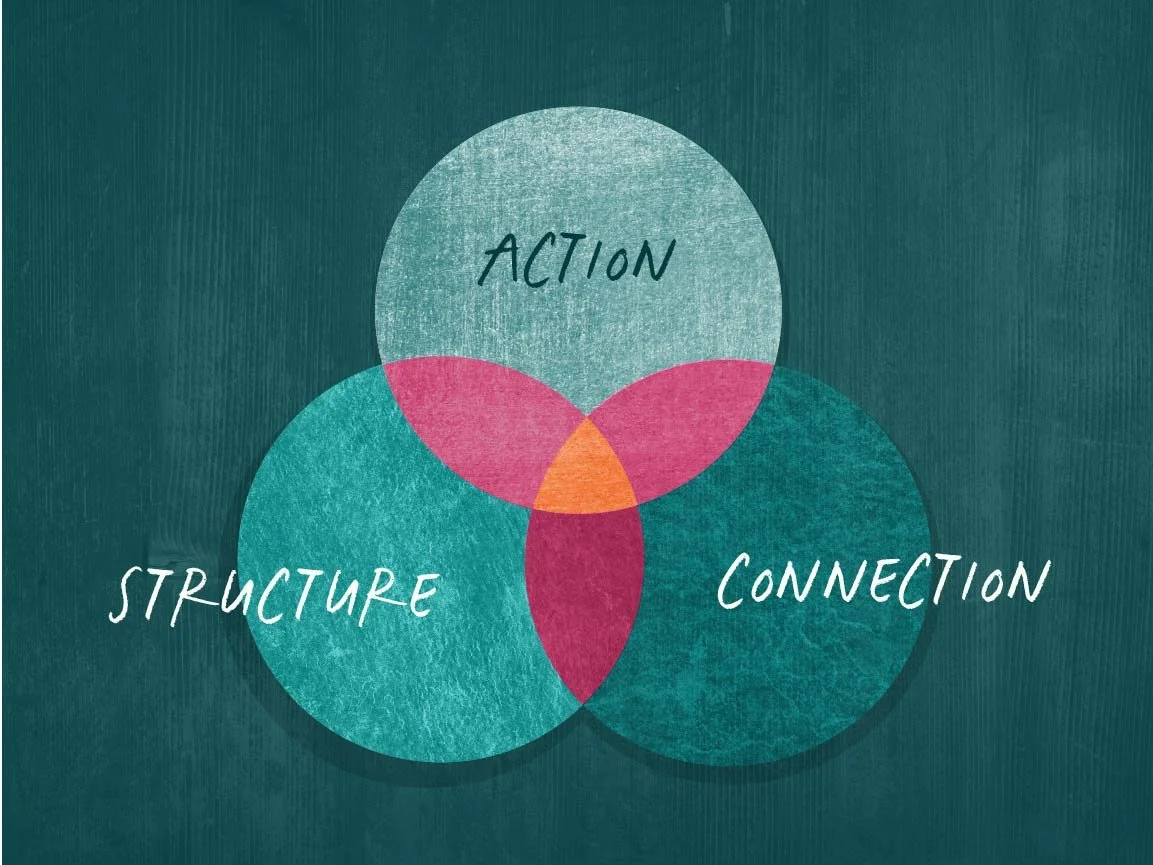
Structure:
Answers the question: What needs to be clarified, made visible, and reflected on for us to do the best work we can?
It may include:
Orientation for new members
Sharing board bylaws with all board members
Board member contract with clear board responsibilities
Term limits
Committee assignments and work outside of board meetings
Strategic meeting agendas
Next steps and meeting minutes shared after meetings
Clarity about board fundraising responsibility
Board goals and/or strategic plan
Yearly Board Assessment
Reviewing and discussing Boardsource list of board responsibilities
Structure also may include considering different board models and how the board wants to work with leadership to best support the organization.
Connection
Answers the question: How can our work as board members be a microcosm for the kind of world our organization is seeking to build?
It may include:
Relationship building
Compassion
Empathy
Trust building
Willingness to disagree
Room to fumble, with opportunities to repair
Meeting agenda & materials structured for diverse participation styles
How much does fun and a positive culture actually matter? As we have shared before, research indicates that toxic culture is the strongest predictor of good people leaving an organization. We all feel that our time is more valuable than ever! So when people don’t feel good about the group’s dynamics, they tend to step off the board. Retaining talented board members demands attention to honoring the contributions of all, and connection is paramount to that.
Action
Answers the question: How can board members amplify and expand the key issues that the organization, and larger community, are working on?
It may include:
People who are closest to the problems are weighing in on the solutions
Systems are shifted so that people who have been outside of power have power
Board members have the ability to talk about race, racism, disability, and privilege
Board and staff embody the belief, “Nothing about us, without us”
In these times, we need board members to stand up for the organization, take an advocacy role, and fight for the causes–and funding–represented by the community needs that the organization serves.
Now, it’s your turn: If you work with a board, or you are on a board, how is your board doing in each of these areas?
In future posts in this series, we’ll explore practices to strengthen each of these areas. If you don’t want to wait, reach out. We would love to support your board to do better work.