BLOG
Open Questions: The Ross Collective Blog
Sharing insights and stories on nonprofit strategy, racial equity and leadership
Explore our blogs by category below
Strategic Planning
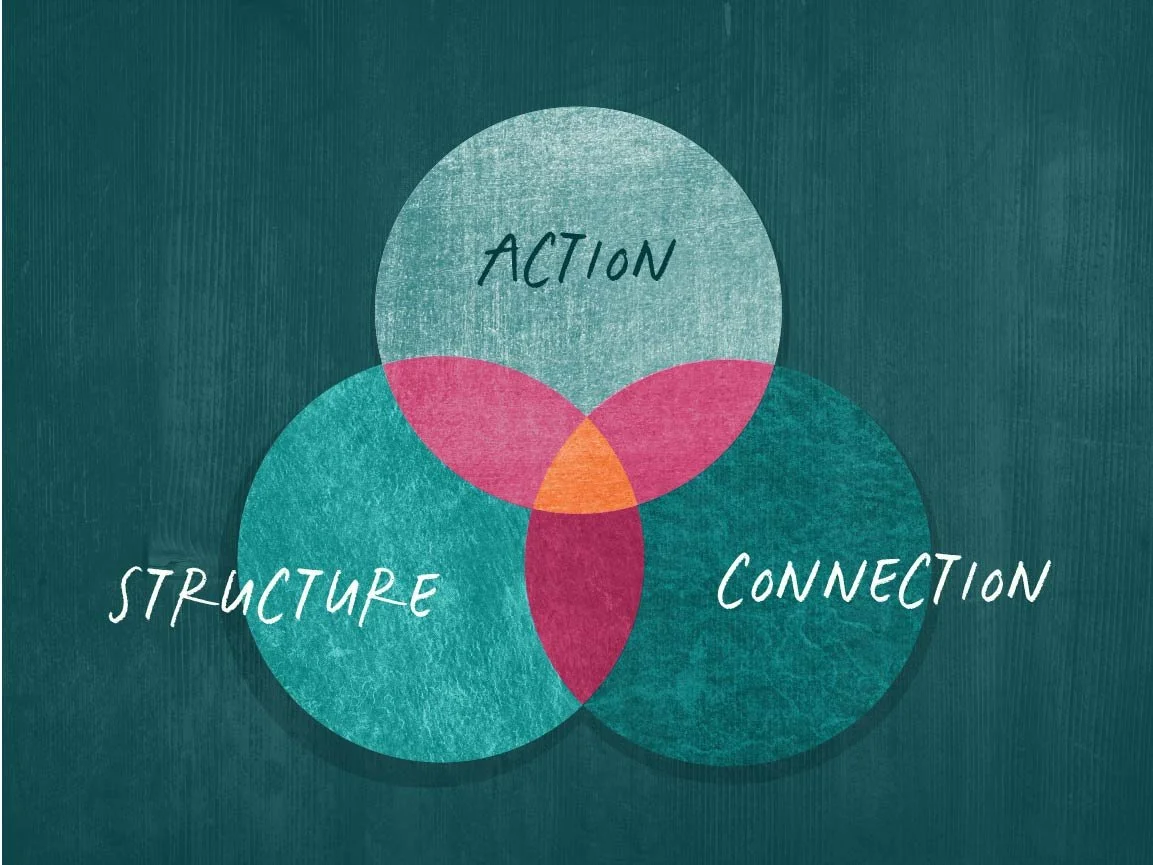
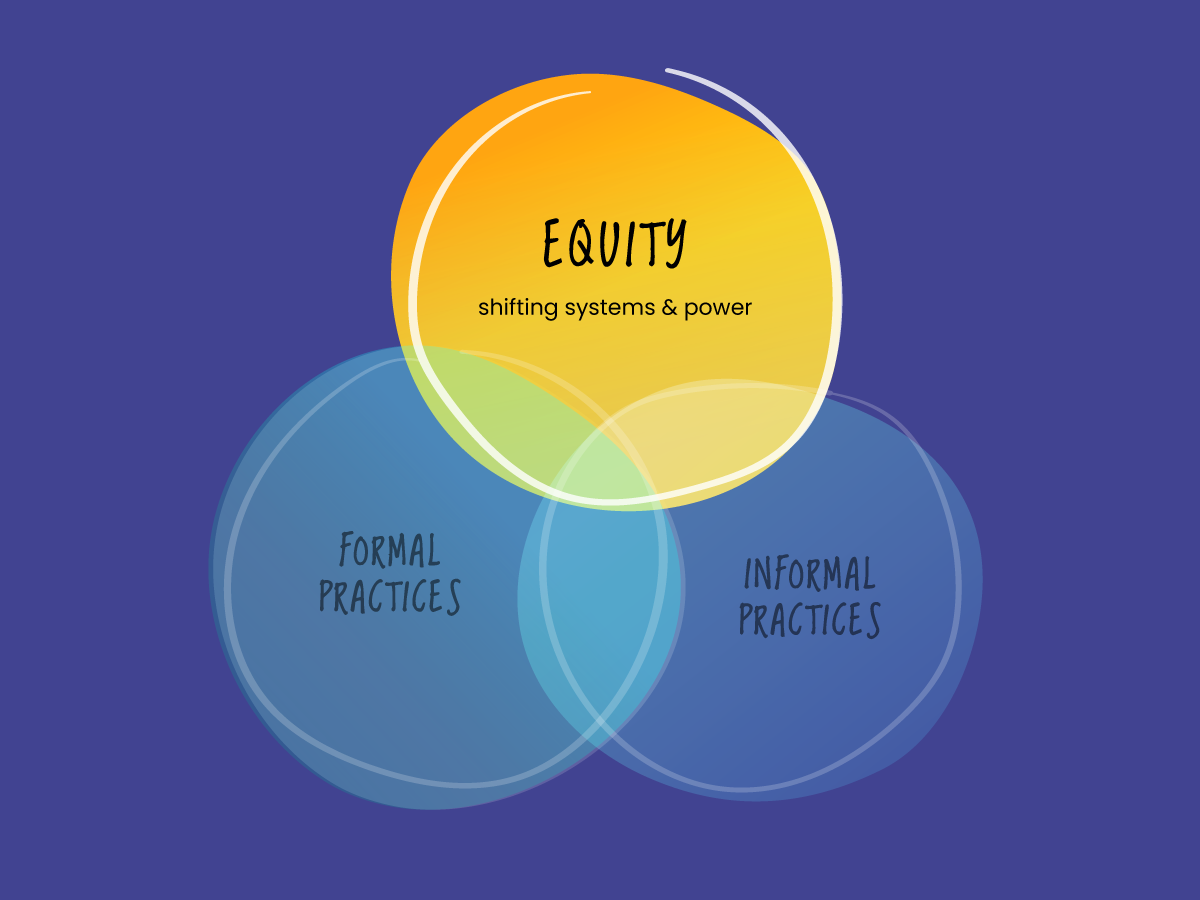
Nonprofit leaders can focus on Structure in order to move towards inclusive, equitable nonprofit board work
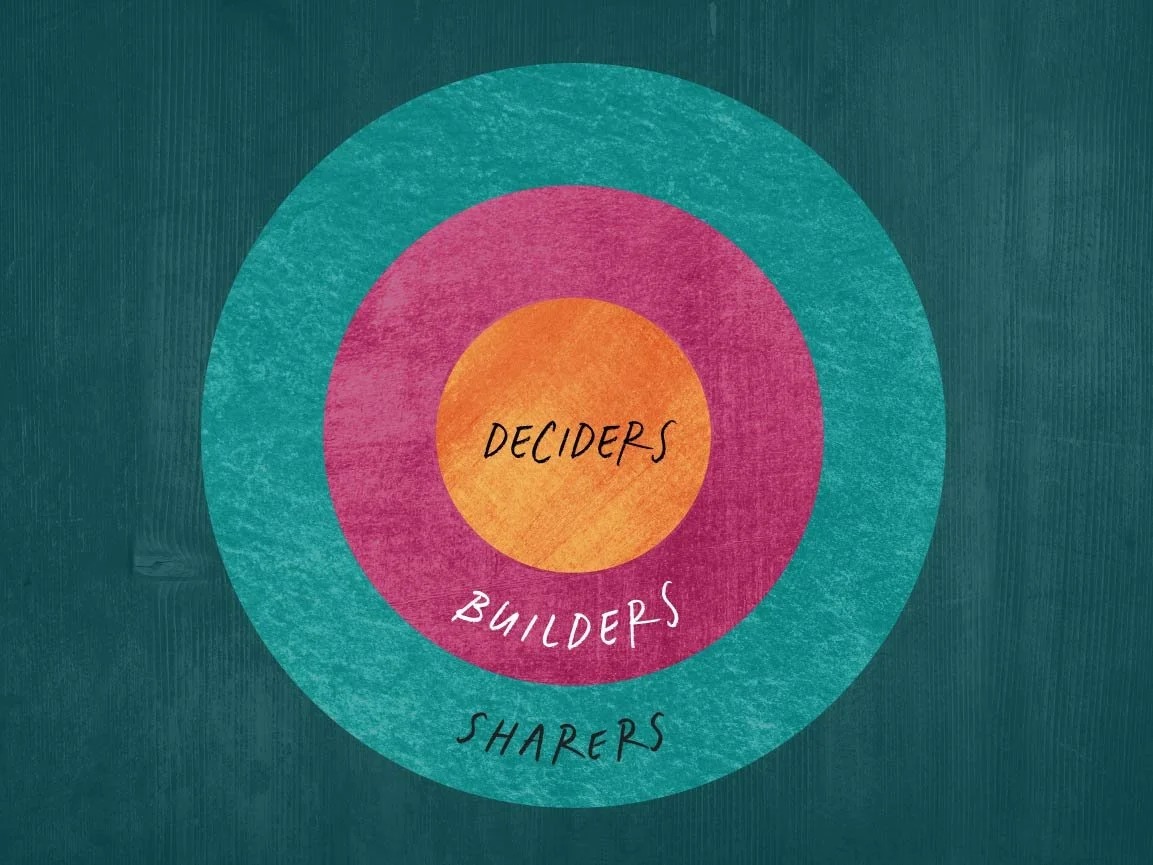
The Inclusive Strategic Planning framework designs inclusion into the process through greater transparency about participation and decision-making.
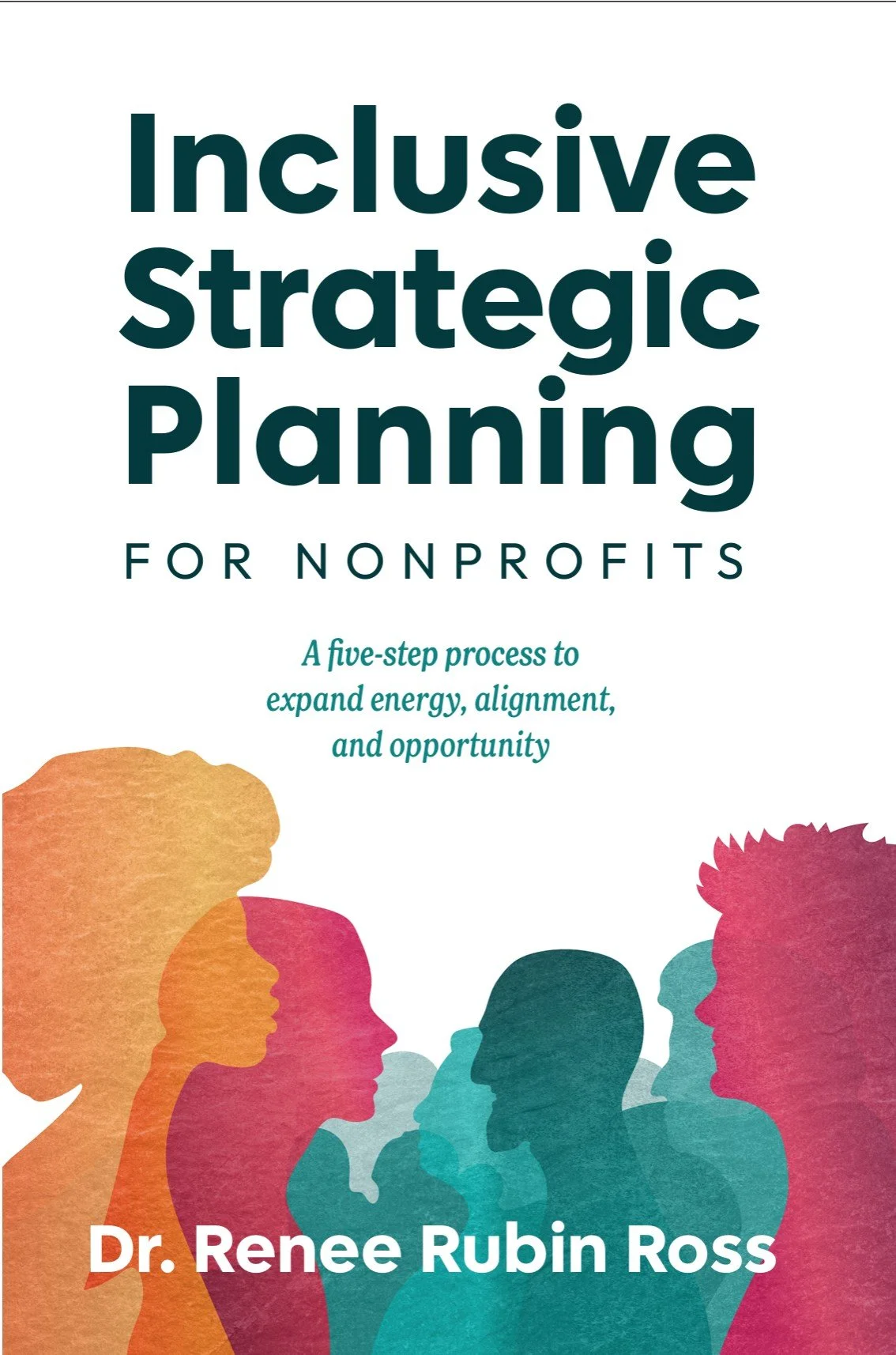
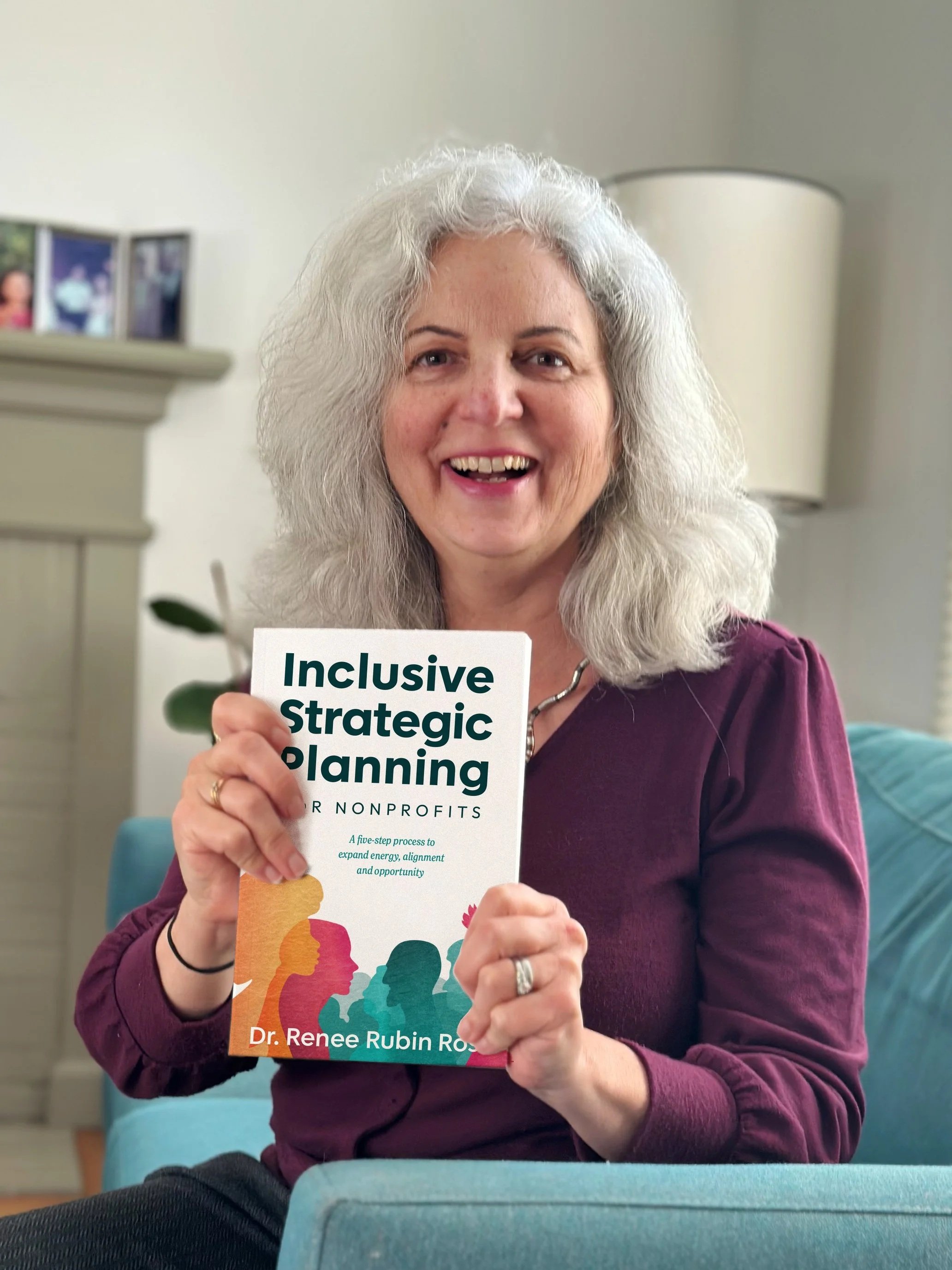
Announcing the launch of Inclusive Strategic Planning for Nonprofits: A five-step process to expand energy, alignment, and opportunity.
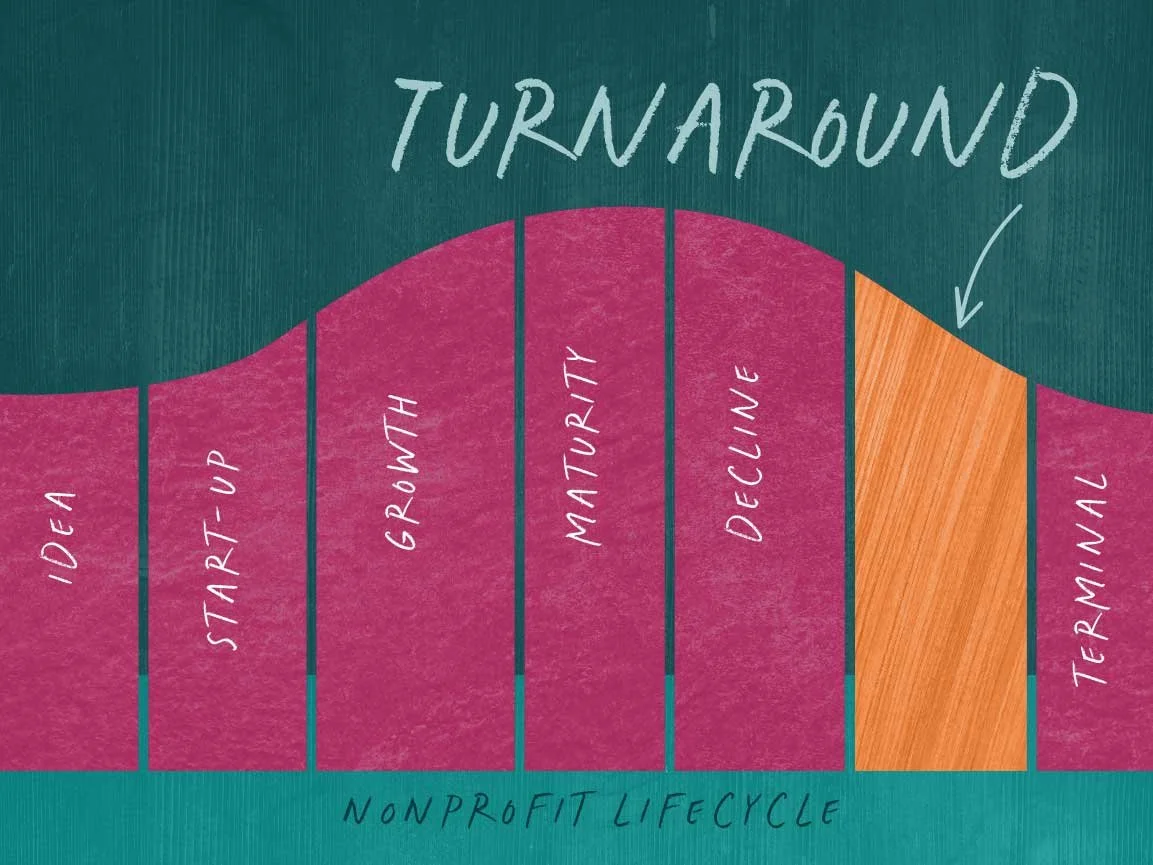
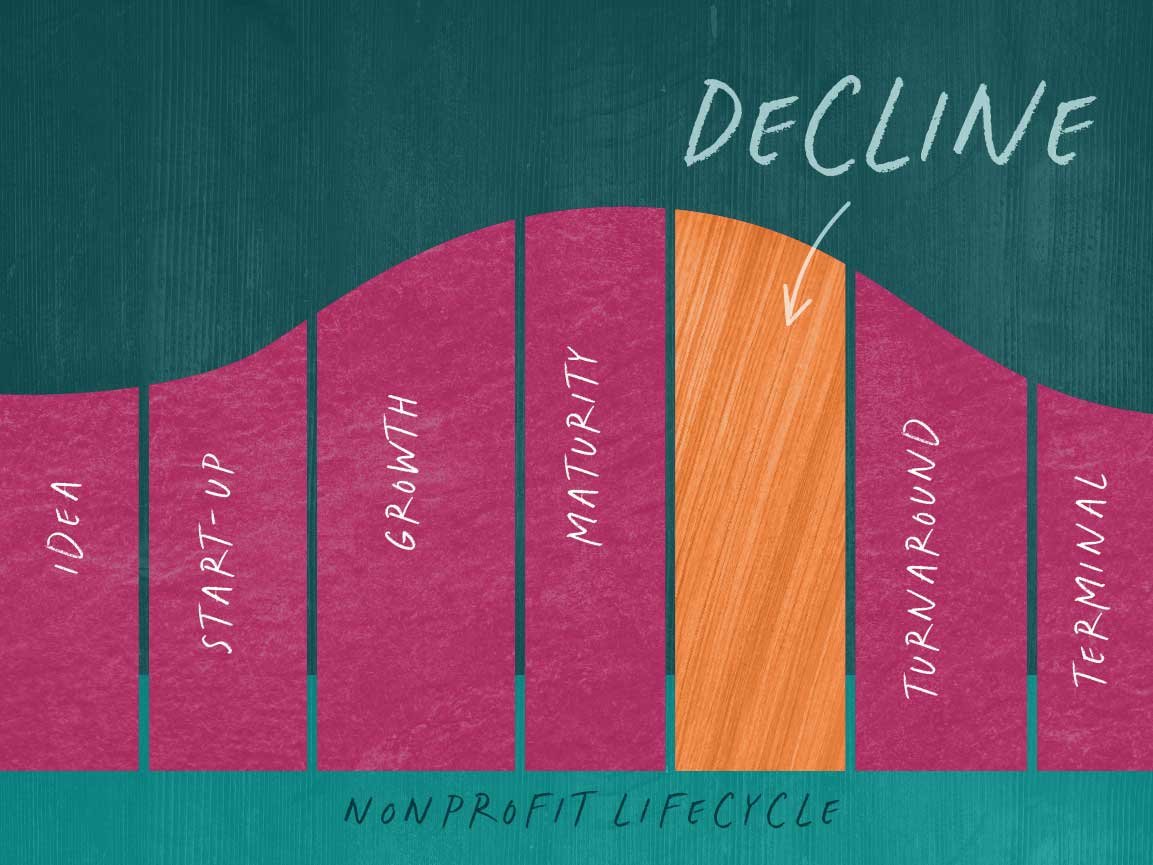
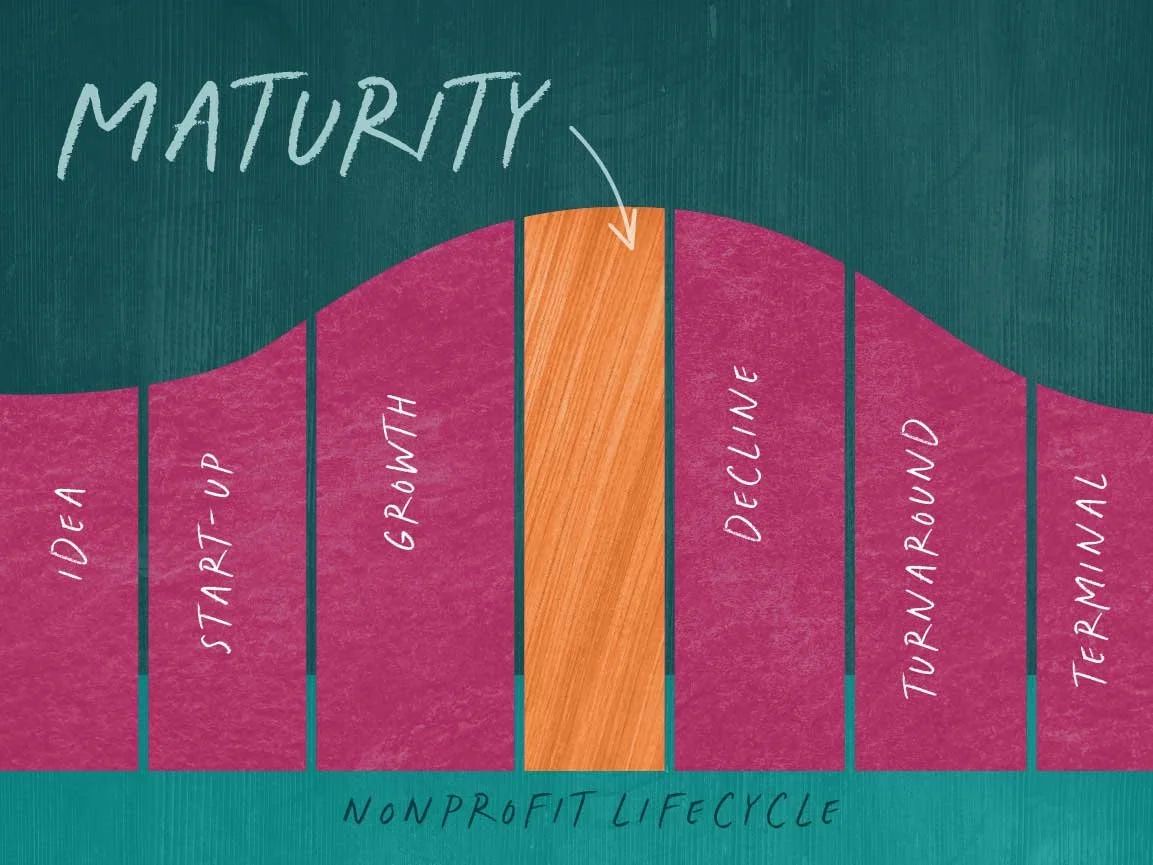
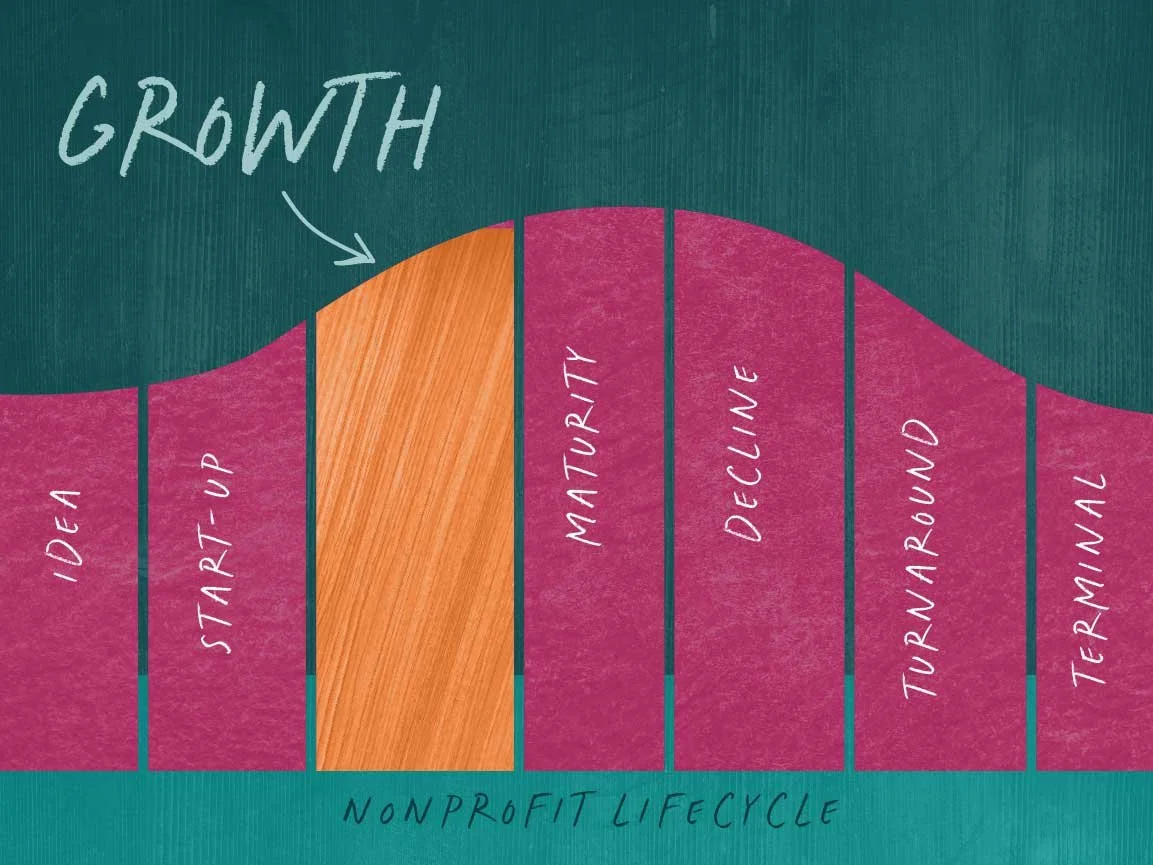
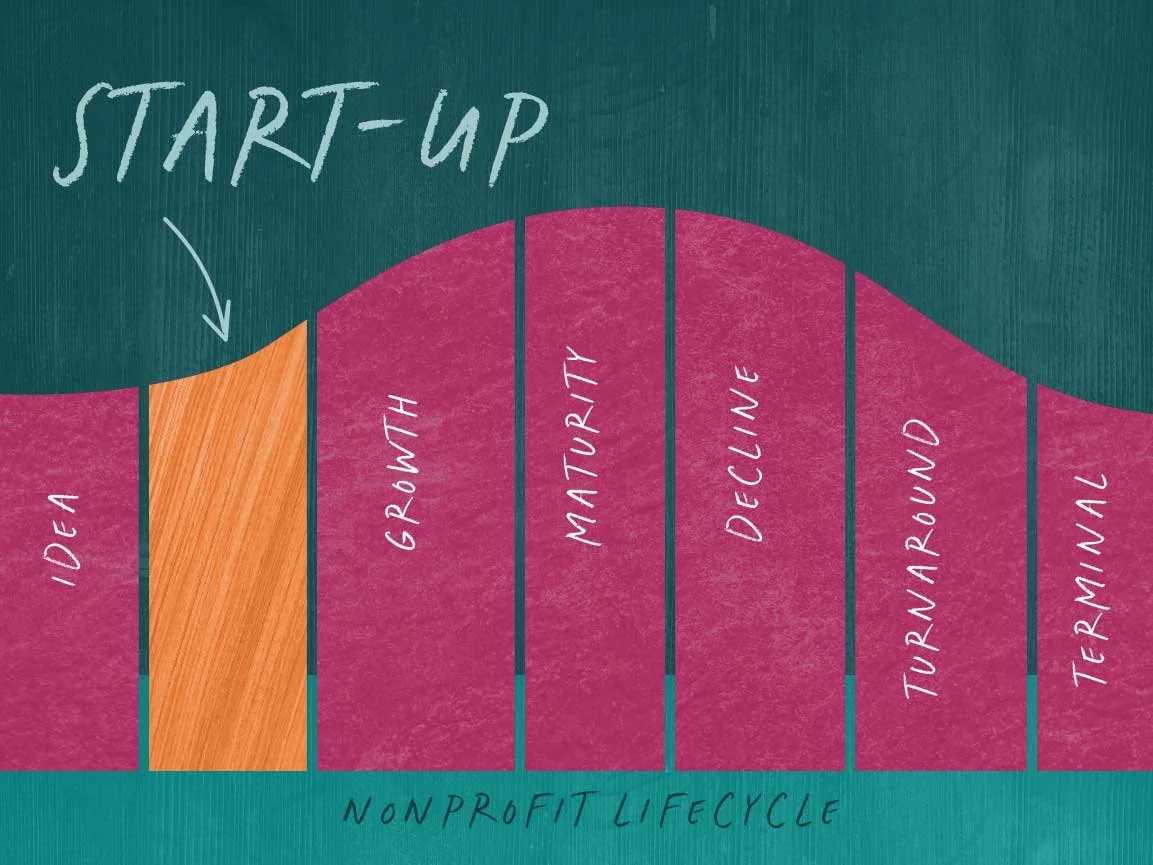
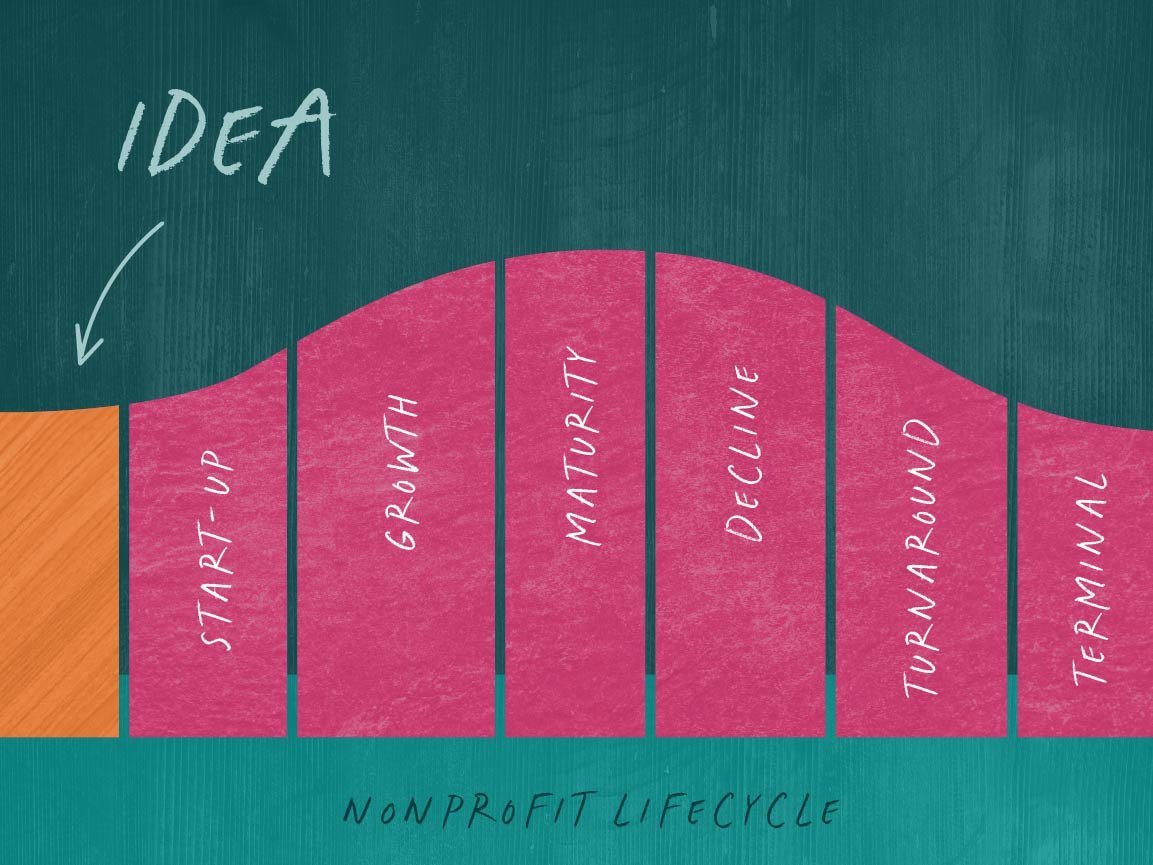
The Nonprofit Lifecycle Model helps leaders figure out where to focus their time and attention.
Writing a book about inclusive strategic planning - through an inclusive writing process!
We are receiving questions from clients about how to go forward now. Specifically, we are hearing that, given the attack on Diversity, Equity, and Inclusion at the Federal level, some organizations are feeling pressure to change their messaging or strategies. Here are four steps to assess risk and language in our heartbreaking times.
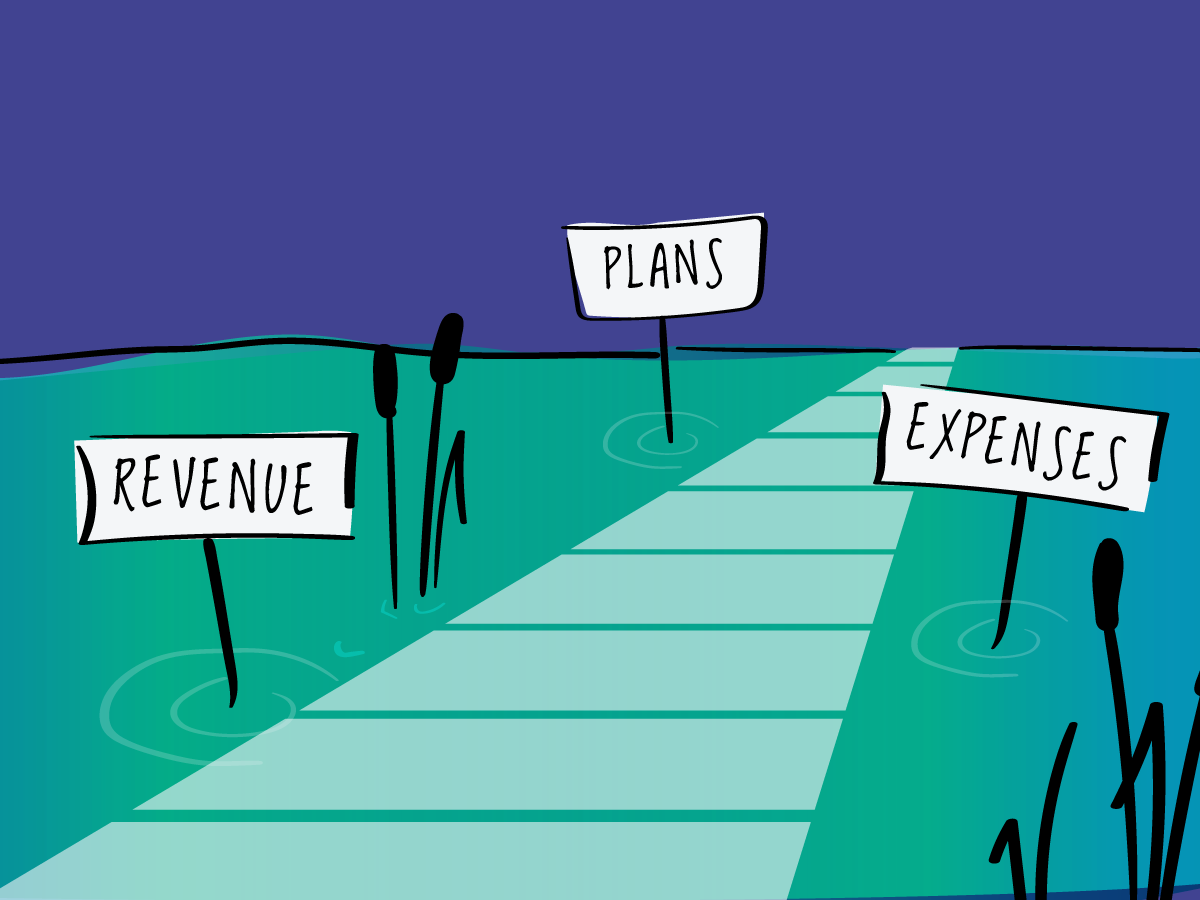
Across the nonprofit landscape in 2025, organizations are facing a perfect storm: federal funding uncertainty, volatile markets, and donor hesitation. At Fairlight Advisors, we've had a front-row seat watching our clients navigate these choppy waters. Here are four keys to financial resilience.
Adaptive leadership is necessary to keep your strategic plan relevant in uncertain times.
Racial Equity
Many nonprofit boards are currently seeking to shift their focus and practices. You may be working alongside one of them!
How do we build a nonprofit sector and nonprofit consulting sector in which each person is well-resourced and thrives?
How can you widen your circle to beam love to those with different perspectives and experiences?
Those of us who work closely with nonprofit boards or serve on boards know that a high percentage of boards are not working. And the challenges in terms of the stresses that boards are experiencing (racial injustice, inequities, workplace burnout, uncertainty in the larger economic environment) have increased over the past few years.
We keep learning from each other and helping each other make #GoodTrouble and do better work.
If you are a leader making change, you should also be thinking about how to make connections between individual stories and larger systems, and what you and your organization are seeking to shift.
The Ross Collective creates spaces that support leaders to do things that go beyond their comfort zone.
What should boards do once they recognize that their practices and cultures are out-of-sync with new realities?
If you experience abundance and privilege, how are you going to use it to move our world towards justice?
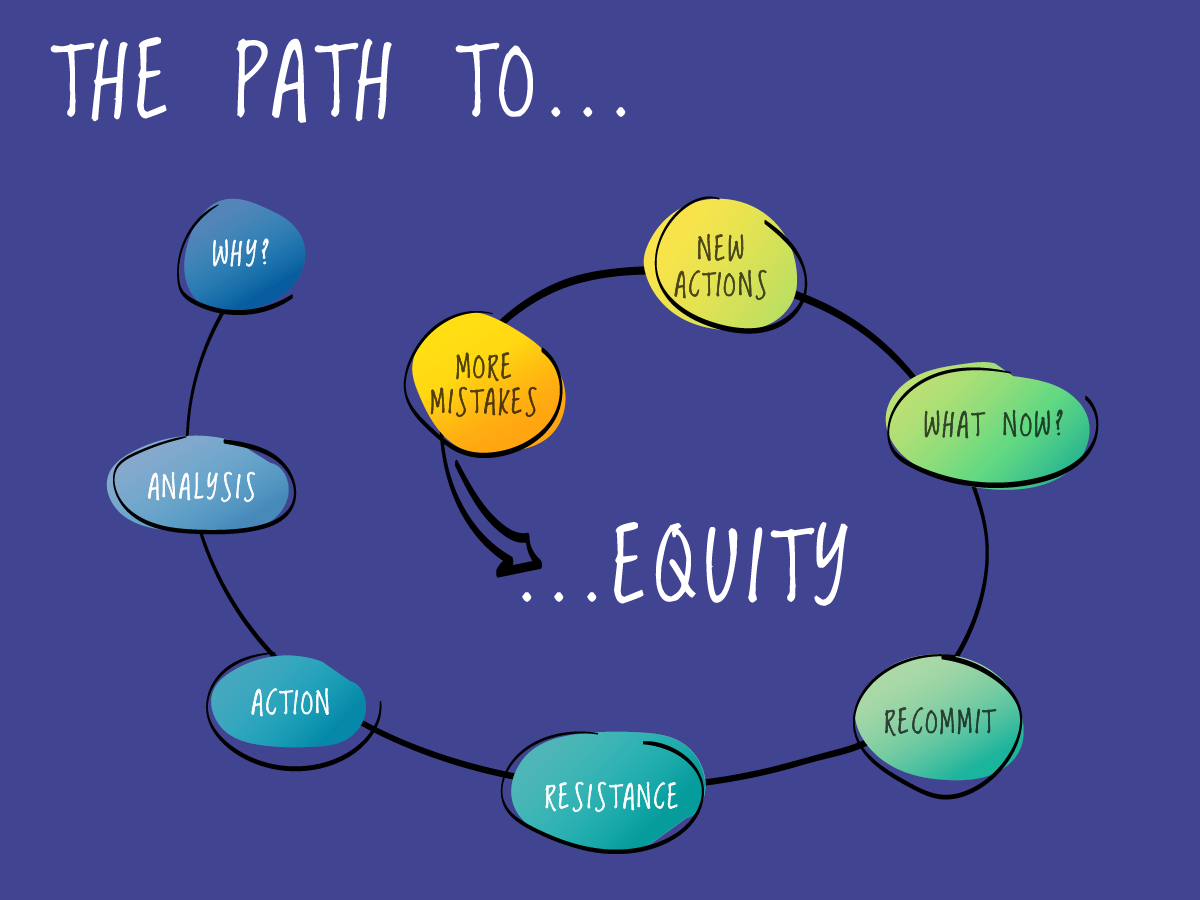
If we agree that it is important to talk about race and equity, what are some first steps to begin to do this?
This post marks the creation of 50 blog posts! If you are reading this – and you may have started reading this week or been with us since the beginning – I want to express my gratitude and thank you for taking a few minutes out of your day to read along. It is gratifying to hear from readers and get your responses to these posts.
We move towards inclusion, belonging and change inside our families, teams and organizations when we choose the path of discomfort and growth.
Going forward, one of the best ways that I can honor and affirm the students, colleagues, and participants in the conversations I lead is to be open, direct, and courageous in talking about race.
Leadership
Nonprofit leaders can focus on Structure in order to move towards inclusive, equitable nonprofit board work
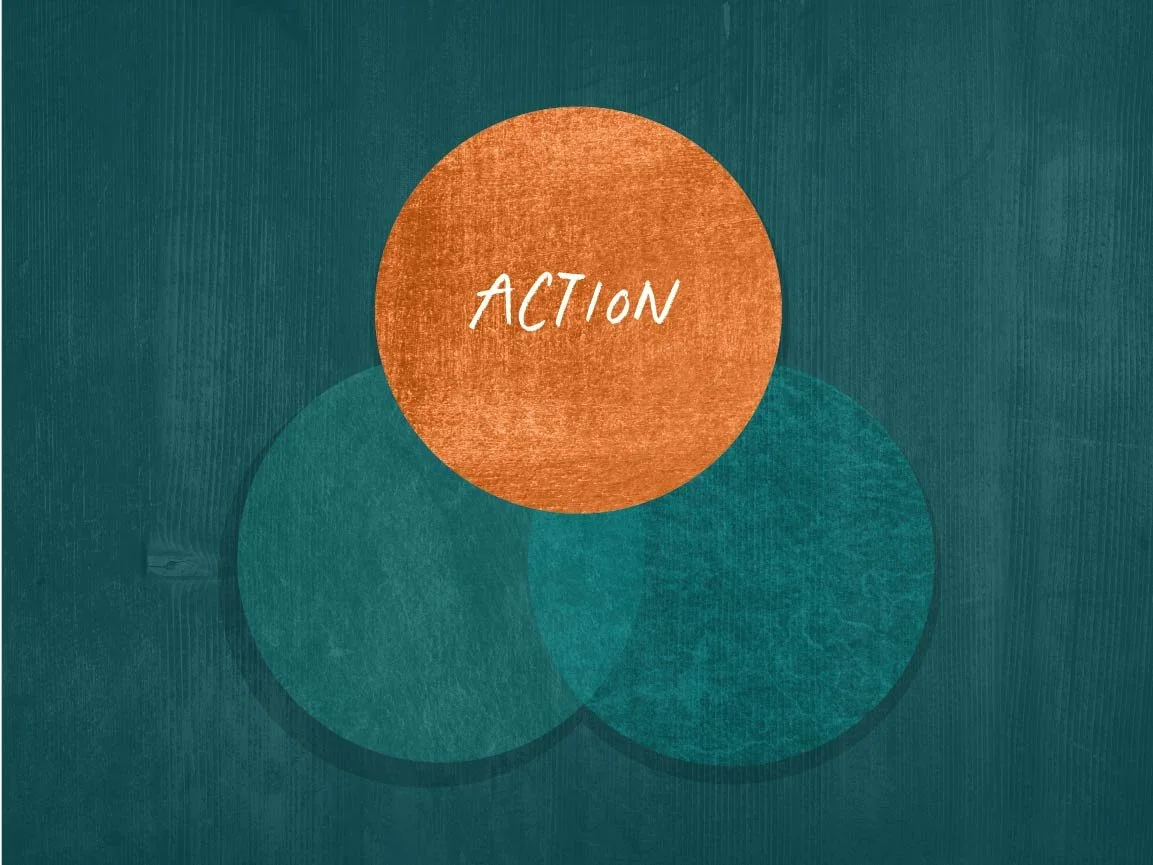
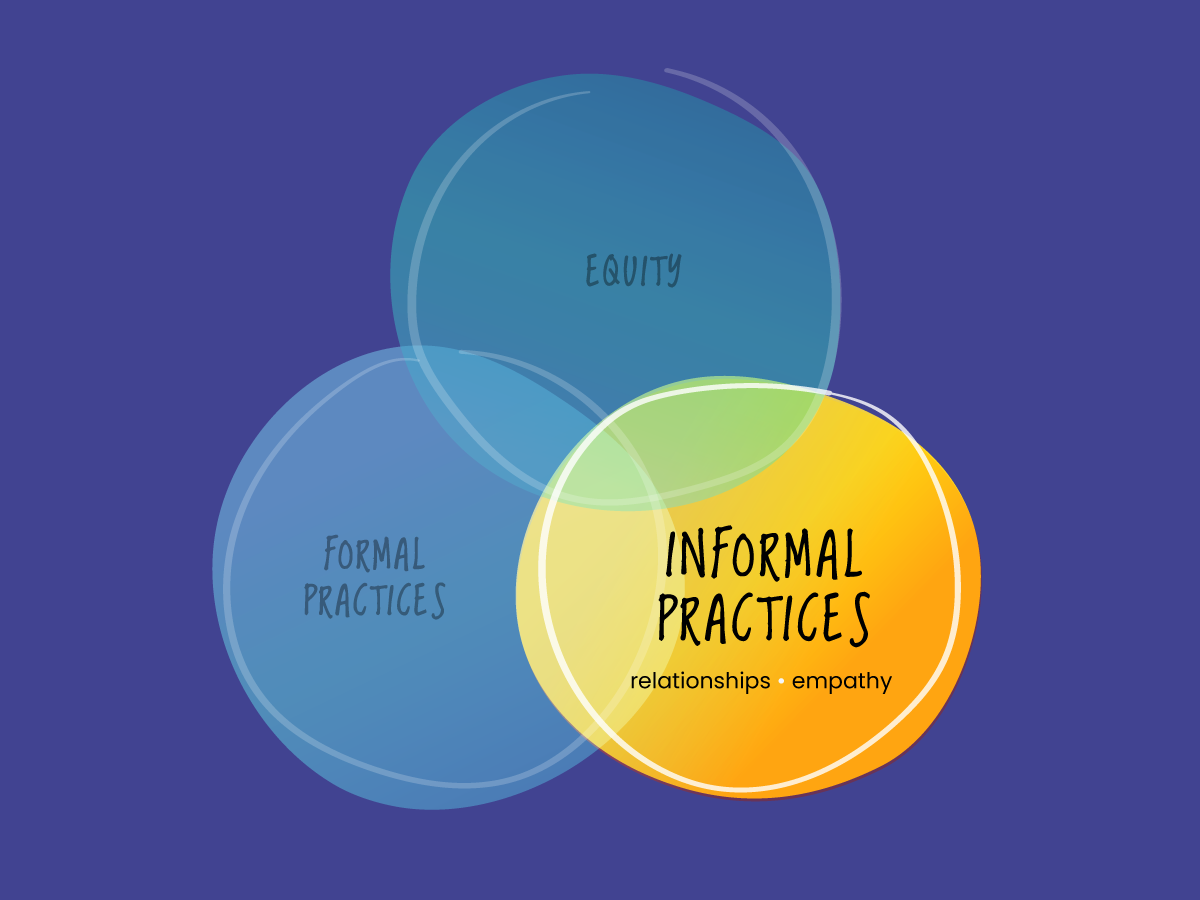
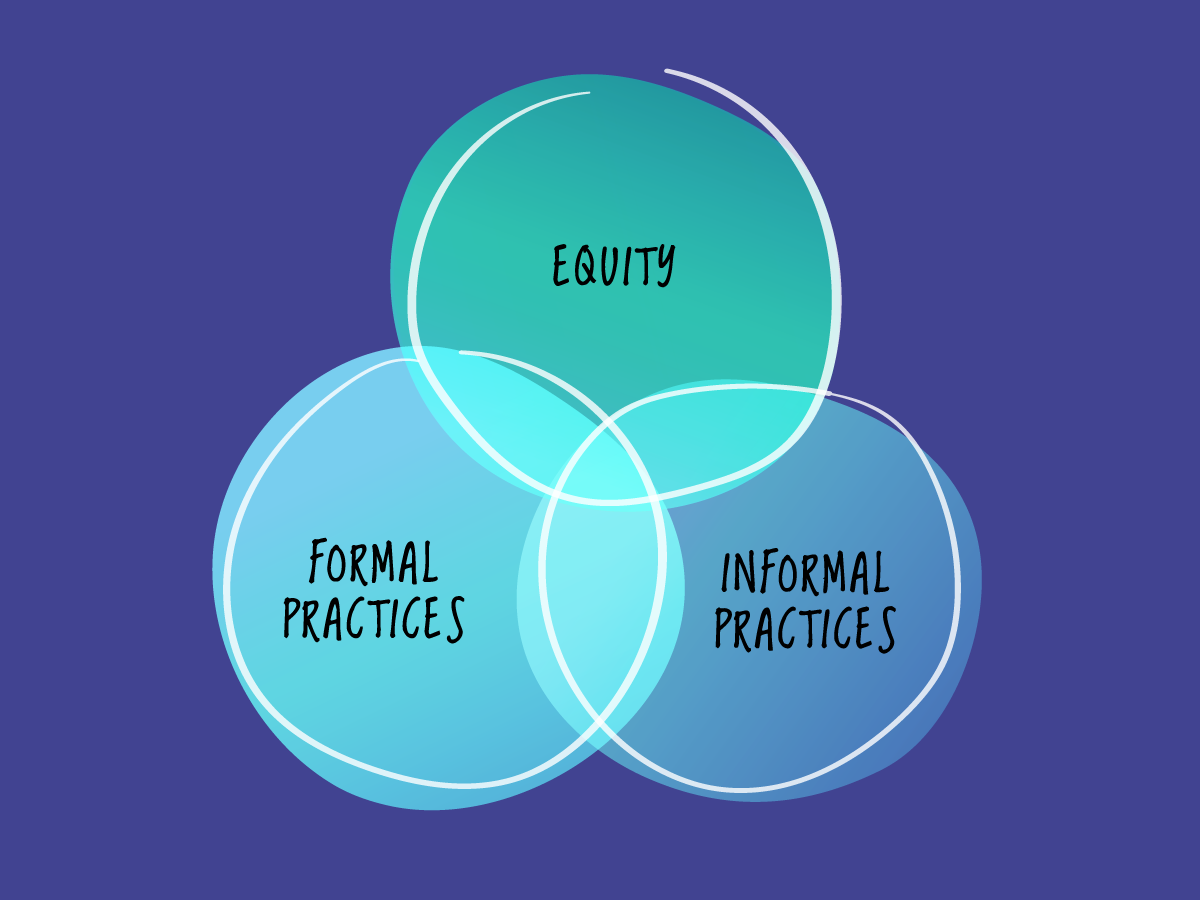
How Structure, Connection and Action contribute to better board - and organizational - work.
The Inclusive Strategic Planning framework designs inclusion into the process through greater transparency about participation and decision-making.
Announcing the launch of Inclusive Strategic Planning for Nonprofits: A five-step process to expand energy, alignment, and opportunity.
The Nonprofit Lifecycle Model helps leaders figure out where to focus their time and attention.
We are receiving questions from clients about how to go forward now. Specifically, we are hearing that, given the attack on Diversity, Equity, and Inclusion at the Federal level, some organizations are feeling pressure to change their messaging or strategies. Here are four steps to assess risk and language in our heartbreaking times.
Across the nonprofit landscape in 2025, organizations are facing a perfect storm: federal funding uncertainty, volatile markets, and donor hesitation. At Fairlight Advisors, we've had a front-row seat watching our clients navigate these choppy waters. Here are four keys to financial resilience.
We each need to be leaders who will use our privilege and power to tell the truth about the threats to healthcare, education, climate, the legal system, racial justice, universities, and so many other parts of our society.
Adaptive leadership is necessary to keep your strategic plan relevant in uncertain times.
Board Governance
Nonprofit leaders can focus on Structure in order to move towards inclusive, equitable nonprofit board work
How Structure, Connection and Action contribute to better board - and organizational - work.
Announcing the launch of Inclusive Strategic Planning for Nonprofits: A five-step process to expand energy, alignment, and opportunity.
Many nonprofit boards are currently seeking to shift their focus and practices. You may be working alongside one of them!
Those of us who work closely with nonprofit boards or serve on boards know that a high percentage of boards are not working. And the challenges in terms of the stresses that boards are experiencing (racial injustice, inequities, workplace burnout, uncertainty in the larger economic environment) have increased over the past few years.
Most of us want to understand how we work together and how we can improve our shared work.
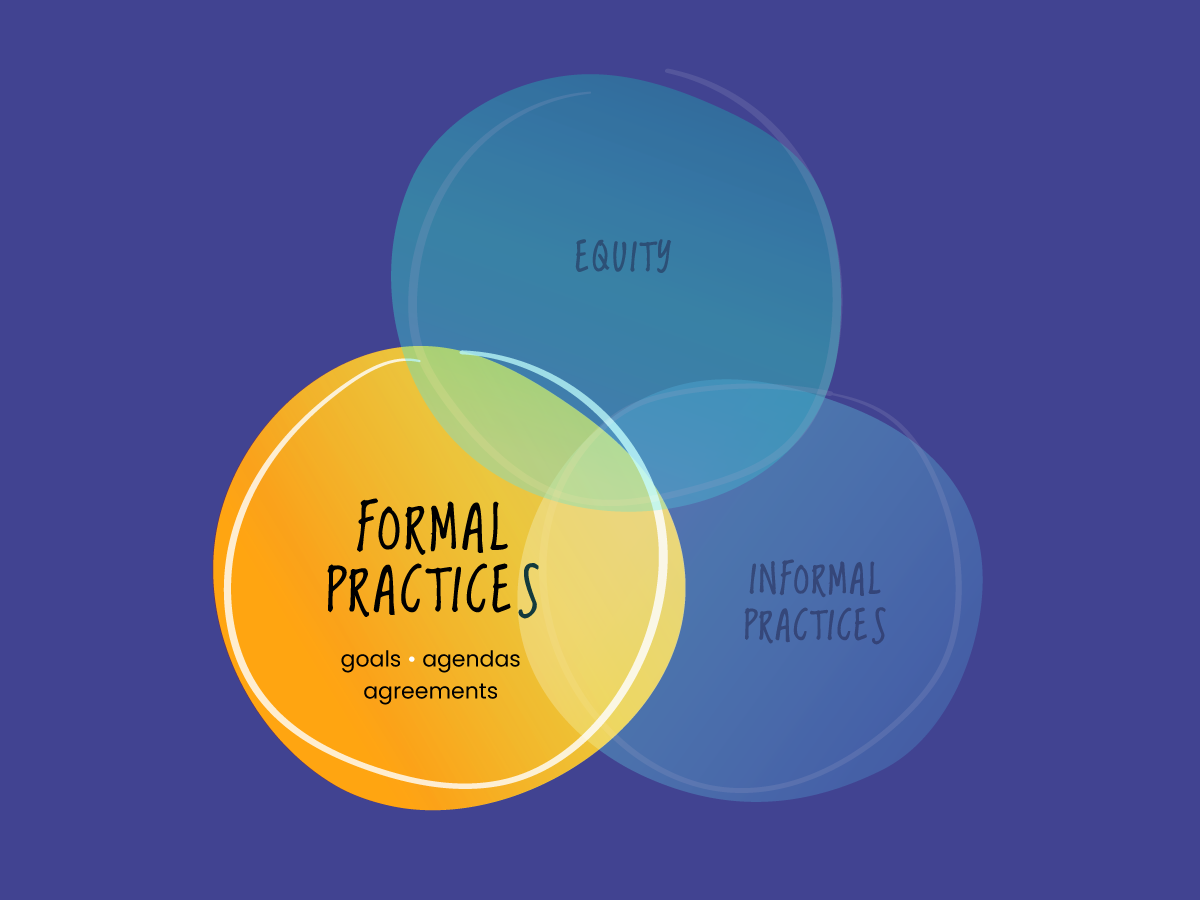
To create inclusive, impactful board meetings, you should include those formal structures such as Meeting Agreements. They set the board’s work in the right direction.
The benefits of working with a trained retreat facilitator include clarity, energy and alignment at the end of the process.
What should boards do once they recognize that their practices and cultures are out-of-sync with new realities?
Seven principles that The Ross Collective uses to design and lead impactful strategic planning retreats
When I design any meeting or presentation, a first question is, “What is in the room right now?”
“As soon as we had new perspectives on the board, we started coming up with new ideas about how to approach our work and our impact in completely different ways. The shift was really palpable across our whole organization. I can’t recommend putting in the time and investment enough. It was really so powerful.”
Joanna*, the Executive Director of a multimillion-dollar organization focusing on food insecurity, reached out because she needed help with her board. In most areas, the organization was doing well: Since Joanna had taken over as Executive Director a year-and-a-half earlier, the work of the organization had expanded to serve many more clients. While the previous Executive Director had been content to serve a limited number of clients, Joanna saw the need in the community and found government funding and other funding sources to almost double the number of clients served.
A while ago, I was working with the board and staff of a nonprofit social service organization on some strategic planning. In order to build shared vision, I did an exercise that I’ve done with a number of groups, “What’s My Why?”
“What’s My Why?” is fairly simple: Each person finds a partner. One person is the listener, the other one is the talker. The listener asks, “What is your why?” and the talker shares whatever comes to mind. In this case, participants were instructed to talk about their reasons for supporting the organization.
Daniel, a client with whom we had worked on governance projects and the executive director of a nonprofit organization, reached out to us with a request: several board members, Deanna and Kyle, complained that they felt “confused” about their participation on the organization’s board of directors. Each had been recruited by a member of the nominating committee, who gave an overview of his or her commitment as a board member.
I love leading board retreats. It’s one of my favorite things to do because groups dig into deep issues. Let me give you an example:
Halfway through a recent board retreat for a social service organization, important information surfaced.
Board members mentioned that the secretary had been inconsistent in her performance. She was not sharing meeting minutes in a timely manner. This hurt board members’ ability to govern the organization: Board members weren’t prepared to vote on issues and wasted precious time catching up.
Virtual Meetings
Most of us want to understand how we work together and how we can improve our shared work.
To create inclusive, impactful board meetings, you should include those formal structures such as Meeting Agreements. They set the board’s work in the right direction.
It is more important than ever to build a positive organizational culture. How can nonprofit leaders do this now?
Seven principles that The Ross Collective uses to design and lead impactful strategic planning retreats
In this moment of uncertainty, nonprofit leaders must design meetings and conversations with structures that create space for what is emerging.
A while back, I led a strategic planning meeting for the board of social service nonprofit organization.
We first honed in on the organizational vision for work for the next year. We then discussed blockages to accomplishing the work. Then, we moved from vision to plan by agreeing on board projects in the upcoming year.
Organizational Assessment
As part of philanthropic advising for a West Coast-based funder, I’ve gotten a front row seat into the strengths and challenges of over 20 small- to medium-sized nonprofits. This post and How to Win the Strategic Planning Battle share learning from this work.